The bathroom has evolved far beyond its traditional role as a purely functional space. Today, homeowners view bathrooms as personal retreats—places to relax, rejuvenate, and even entertain in some cases. Modern bathroom remodeling trends reflect this shift, blending aesthetics, technology, and functionality to create spaces that are both luxurious and practical. From spa-inspired designs that emphasize tranquility to smart features that enhance convenience, contemporary bathroom renovations offer opportunities to elevate comfort, efficiency, and overall home value.
One of the most prominent trends in modern Bathroom Remodeling Lexington KY is the creation of spa-like environments. Homeowners are increasingly prioritizing relaxation and self-care, incorporating design elements that mimic high-end spa experiences. Features such as freestanding soaking tubs, rainfall showerheads, steam showers, and heated flooring contribute to a serene atmosphere that encourages stress relief and indulgence. Carefully selected materials, including natural stone, wood accents, and textured tiles, enhance the visual and tactile appeal of these spaces. Lighting plays a critical role as well, with layered lighting schemes—combining ambient, task, and accent lighting—used to create a soothing, adaptable environment for various activities, from bathing to grooming.
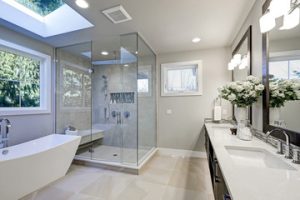
Storage solutions are also central to modern bathroom design. Open shelving, floating vanities, and built-in cabinetry help maintain a clean and organized appearance while maximizing available space. Efficient storage is particularly important in smaller bathrooms, where clutter can quickly detract from both aesthetics and functionality. Homeowners are now opting for clever organizational solutions, such as pull-out drawers, hidden compartments, and integrated towel racks, to keep personal items easily accessible while keeping them out of sight. A well-planned storage system ensures that the bathroom remains a tranquil, clutter-free space.
Technology integration has become a defining feature of contemporary bathroom remodeling projects. Smart fixtures and devices improve convenience, efficiency, and user experience. Touchless faucets, motion-sensor lighting, and programmable showers offer both hygienic and practical benefits. Digital shower controls allow precise temperature adjustments, while smart mirrors can display information such as time, weather updates, or news headlines. Additionally, energy-efficient features, including LED lighting and low-flow faucets, combine modern convenience with sustainability, reducing both environmental impact and utility costs.
Another trend reshaping bathroom design is the use of minimalist and clean-line aesthetics. Sleek cabinetry, frameless glass showers, and streamlined fixtures create a sense of openness and visual clarity. Neutral color palettes, often featuring shades of white, gray, and beige, complement minimalist designs while allowing natural light and reflective surfaces to enhance the perception of space. This approach not only promotes a contemporary appearance but also facilitates easier cleaning and maintenance, an important consideration in high-use areas like bathrooms.
Sustainability and eco-friendly design are increasingly important in modern bathroom remodeling. Water conservation has become a priority, leading homeowners to install low-flow toilets, showerheads, and faucets. Advanced dual-flush systems allow users to control water usage more precisely, conserving resources without sacrificing comfort. Sustainable materials, such as recycled glass tiles, responsibly sourced wood, and low-VOC paints, support environmentally conscious design while maintaining aesthetic appeal. Incorporating energy-efficient heating solutions, such as radiant floor systems or solar water heaters, further reduces environmental impact while improving comfort.
Lighting design has seen a significant transformation in contemporary bathrooms. Layered and adjustable lighting enhances both functionality and ambiance. Task lighting ensures adequate illumination for grooming activities, while accent lighting highlights architectural details, textures, or artwork. Dimmer switches and smart lighting controls allow homeowners to customize brightness levels according to mood or time of day. Proper lighting design also enhances safety, particularly in wet or high-traffic areas, by reducing shadows and ensuring clear visibility around showers, tubs, and flooring.
Bathroom layouts have also evolved to prioritize open space and accessibility. Walk-in showers with frameless glass panels create a visually open environment while allowing for easier mobility. Freestanding tubs and vanities positioned strategically within the space provide better flow and reduce congestion. Designers increasingly consider universal design principles, ensuring that bathrooms can accommodate users of all ages and abilities. Features such as curbless showers, grab bars, and adjustable-height vanities enhance accessibility without compromising style.
Tile selection and surface materials play a major role in both aesthetics and performance. Large-format tiles, natural stone, and textured surfaces are trending in modern bathroom designs. These choices not only provide visual appeal but also improve durability and ease of maintenance. Contrasting textures—such as matte floor tiles paired with glossy wall tiles—add depth and sophistication. Additionally, waterproof and slip-resistant surfaces are essential for safety in wet areas, ensuring that style does not come at the expense of practicality.
Vanity and countertop trends have shifted toward combining functionality with luxury. Double vanities are increasingly popular, allowing multiple users to share the space comfortably. Materials such as quartz, marble, and engineered stone provide both durability and visual elegance. Integrated sinks, vessel basins, and floating vanities contribute to a modern, uncluttered appearance while providing practical storage and workspace solutions. Homeowners are also opting for smart storage within vanities, including built-in organizers and charging stations, to accommodate contemporary needs.
When planning a bathroom remodel, several additional features can significantly enhance the overall experience:
- Temperature Control Features: Heated flooring, towel warmers, and programmable shower systems create a comfortable environment regardless of season.
- Sound and Entertainment Options: Integrated speakers, waterproof TVs, or Bluetooth connectivity allow users to enjoy music, podcasts, or television while relaxing.
- Air Quality and Ventilation: Effective ventilation systems reduce humidity, prevent mold growth, and maintain a healthy indoor environment.
- Spa-Like Accessories: Steam generators, body sprays, and aromatherapy diffusers provide an elevated, luxury experience within the home.
Smart storage and organization continue to influence contemporary design. Beyond the traditional medicine cabinet, modern bathrooms incorporate niche shelving, recessed storage, and modular cabinetry to maintain a streamlined appearance. These solutions keep toiletries, linens, and personal care items organized while freeing up counter space. Homeowners are also increasingly using multi-functional furniture, such as benches with hidden compartments, to maximize utility in smaller spaces.
Another notable trend is the integration of natural elements into bathroom design. Wood finishes, stone accents, and indoor plants bring warmth and texture, creating a connection with nature that enhances relaxation. The use of daylight through skylights or large frosted windows further improves mood and perception of space, making the bathroom feel airy and open. This biophilic approach not only elevates aesthetics but also promotes well-being.
Sustainability and technology often intersect in modern bathroom remodels. Smart water systems, leak detectors, and energy-efficient appliances reduce waste and operating costs. Homeowners can monitor water usage or remotely control fixtures using smartphone applications, creating a more eco-conscious and convenient environment. Additionally, solar-powered lighting or energy-efficient heating contributes to both environmental responsibility and long-term cost savings.
Accessibility remains a core consideration in contemporary bathroom design. Universal design principles ensure that spaces are usable by people of all ages and abilities. Features such as curbless showers, lever handles, and adjustable showerheads accommodate a wider range of users. Additionally, the strategic placement of grab bars, non-slip flooring, and ample maneuvering space enhances both safety and comfort. Incorporating accessibility features into a modern design allows homeowners to future-proof their bathroom while maintaining aesthetic appeal.
When planning a modern bathroom remodel, homeowners should focus on several key aspects:
- Functionality: Ensure the layout supports daily routines, provides ample storage, and accommodates multiple users efficiently.
- Aesthetics: Select materials, colors, and fixtures that create a cohesive and inviting environment while reflecting personal style.
- Technology Integration: Incorporate smart features for convenience, energy efficiency, and modern appeal.
- Sustainability and Safety: Choose eco-friendly materials, energy-efficient systems, and features that enhance safety and accessibility.
Lighting, storage, and layout should work together to create an environment that is both functional and visually appealing. Properly planned zones for cooking, grooming, bathing, and relaxation optimize daily workflow, while the strategic use of fixtures, finishes, and technology elevates the overall experience.
In conclusion, modern bathroom remodeling trends focus on combining luxury, efficiency, and convenience. Spa-inspired designs, smart technology, sustainable materials, and thoughtful layout planning are shaping contemporary bathrooms into functional retreats. Homeowners can create spaces that offer comfort, enhance property value, and accommodate evolving lifestyles by considering workflow, ergonomics, storage, and accessibility.
Ultimately, a successful bathroom remodel balances aesthetics with practical functionality. Thoughtful integration of spa-like features, smart technology, and durable, stylish materials ensures that the space is not only visually appealing but also supportive of daily routines. By staying informed about current trends and planning carefully, homeowners can transform their bathrooms into modern sanctuaries that offer both relaxation and long-term value.